


Boris Bidjan Saberi, farewell to the master of dark craftsmanship
In May 2025, with a statement that shook the entire avant-garde scene, Boris Bidjan Saberi announced the suspension of activities after the Spring-Summer 2026 collection. Not a failure, the designer explained, but a refusal to move production out of his Barcelona atelier: "it is not the end of the road, but a transformation". Before talking about his future, though, it is worth telling the story of how his name became an object of cult devotion for anyone who loves fashion at its most radical and artisanal.
From Munich to Barcelona
Boris Bidjan Saberi was born in Munich on September 11, 1978, to a German mother and a Persian father, both with fashion labels of their own. He grew up in the trade, and in 2006 graduated in Barcelona, where he founded his eponymous menswear house. The number 11, his birth date, became the brand's signature and in 2013 gave its name to the more urban, accessible line, 11 by Boris Bidjan Saberi. His language springs from an unusual crossroads: skate culture, hip-hop and street style on one side, Middle Eastern references and a tailoring sensibility on the other, filtered through a deliberately rough idea of elegance that critics have often placed alongside Rick Owens and Ann Demeulemeester.
Object-dyeing and horse leather: the signature
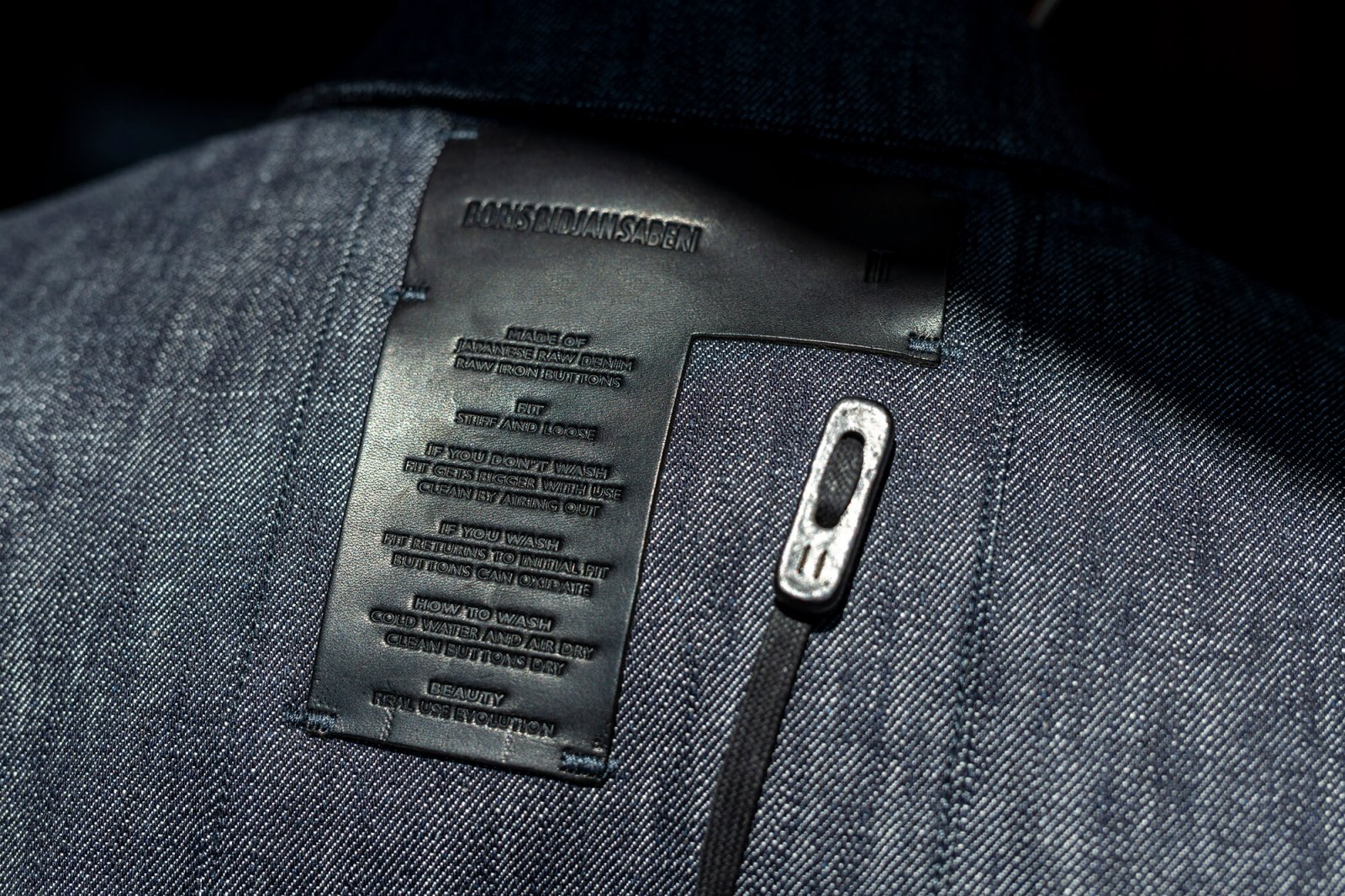
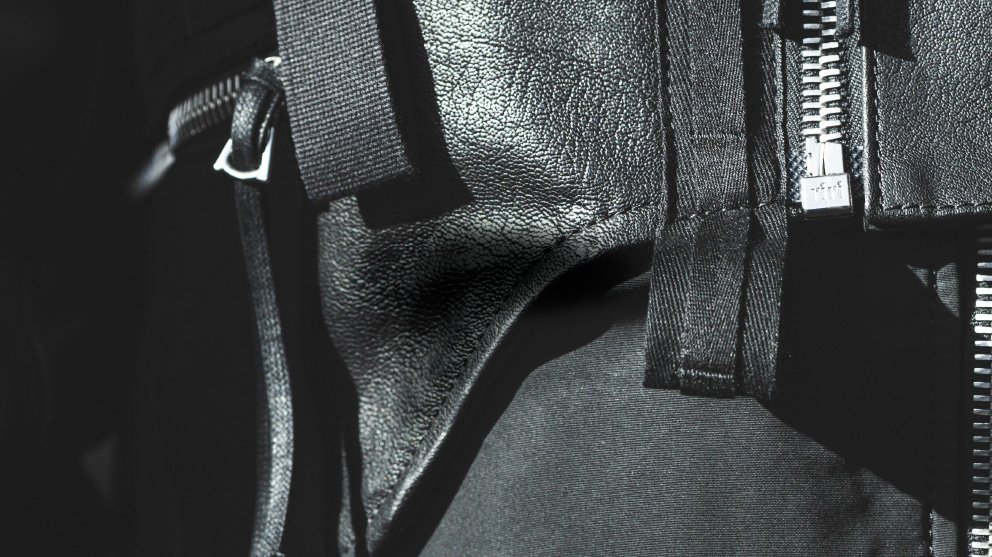
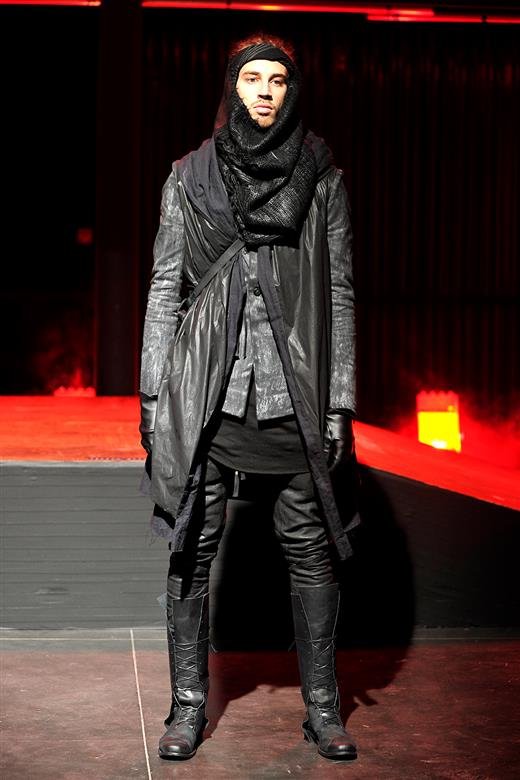
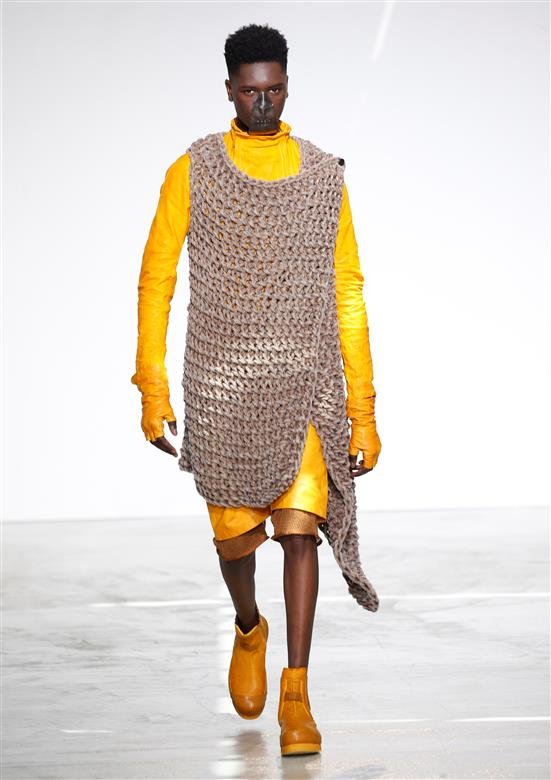
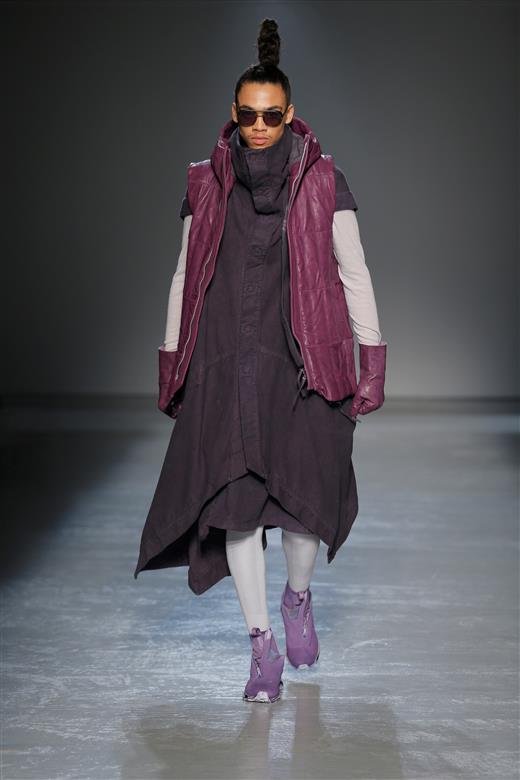
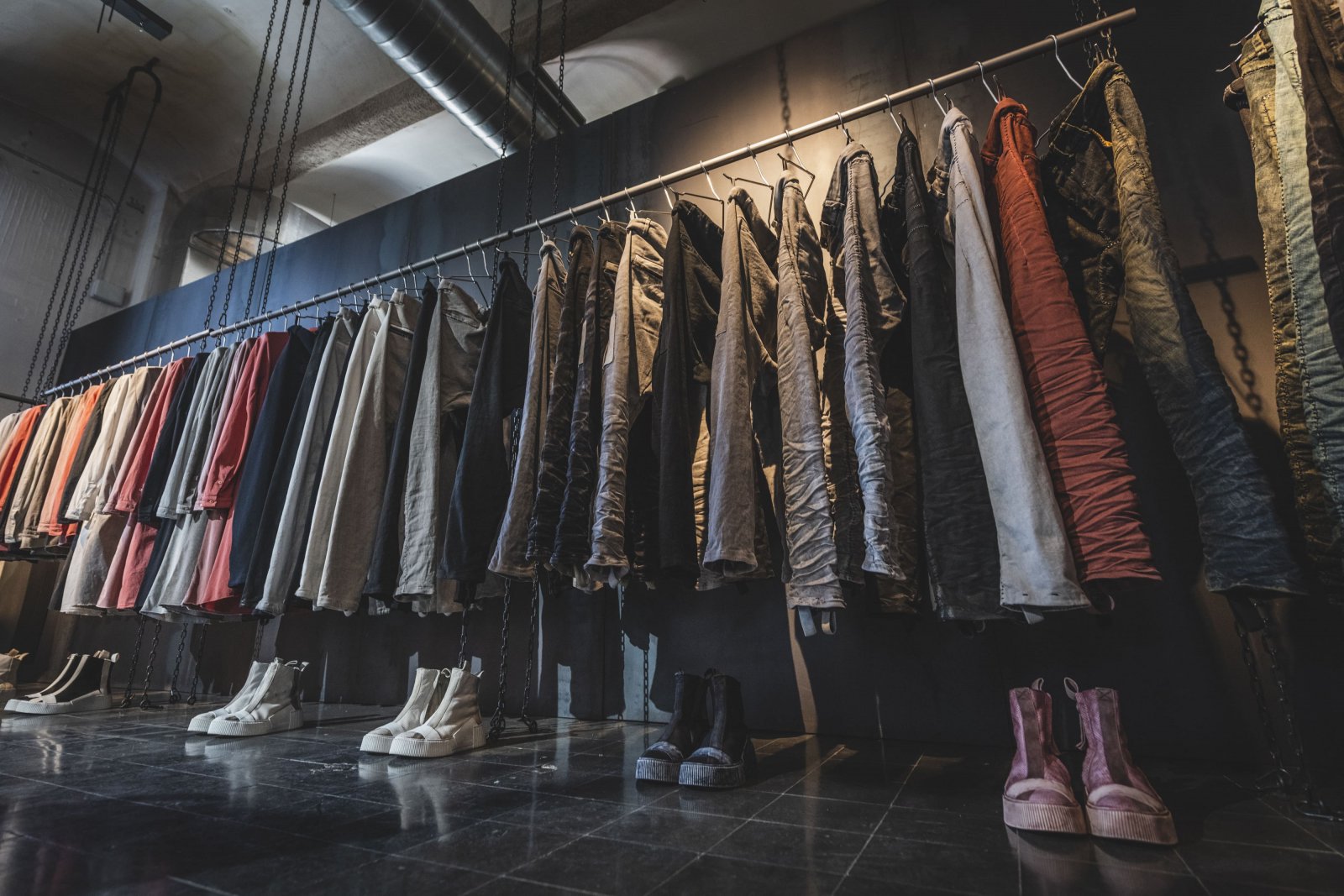
BBS's most recognisable trait is his obsession with manual processes. The designer practises object-dyeing: the garment, already constructed, is immersed and dyed as a finished object, so that seams, folds and volumes hold the colour in a vivid, irregular way, developing over time a patina that improves with wear. Most emblematic is the heavy, oiled horse leather, worked into jackets like the celebrated J2 that become almost second skins moulded to the body. Resins, waxes and overdyes recur, along with scar-like seams (the scarstitch), panelling and layering, in a dark, mineral palette of blacks, anthracites, earth tones and dusty greys. Every piece in the main line is numbered and treated as an atelier work: a luxury you see not in the logo, but in the process.
A reference point of the avant-garde
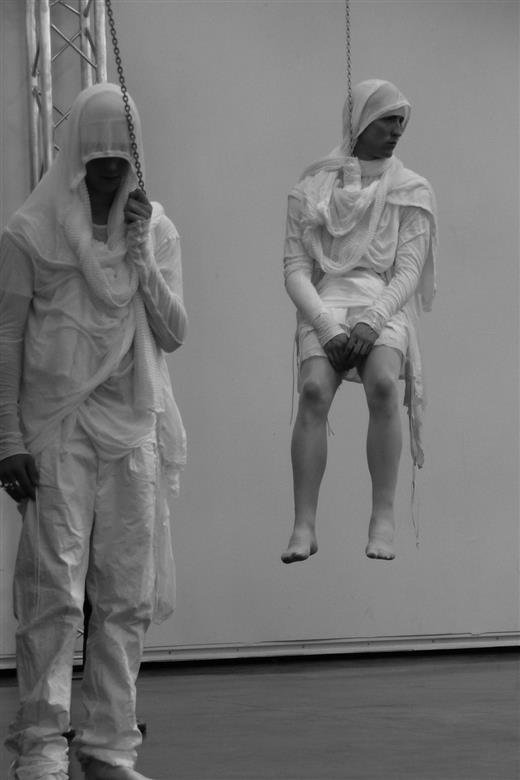
BBS is one of the cornerstone names of so-called artisanal fashion, cited alongside Rick Owens, Carol Christian Poell and Guidi as a benchmark of the field. Showing regularly at Paris Fashion Week men's, with conceptually titled collections (Brutalism, Paganism, Roots, Post Humanism), he made material, almost brutal garments desirable, where the value lies in the handwork and one-off dyes rather than the brand. The feverish second-hand and archive market, with dedicated accounts and stores, confirms collector's-item status.
The collaborations that left a mark
A climber for over thirty years, Saberi took his research beyond clothing too. The longest-running collaboration is with Salomon (since 2016), which reworked trail and mountain models through a BBS lens up to the Athletic Bouldering capsule. With Reebok he reinterpreted the Instapump Fury, relaunched in 2025 under the 11 by BBS line. With the nose Geza Schoen he created the fragrance Boris Bidjan Saberi 11 in 2016, inspired by the smells of the atelier and by leather. And then the climbing shoes with So iLL and bouldering legend Fred Nicole, the eyewear with Rigards and Dita, the projects with New Era and even with Massive Attack. A reach that stretched the borders of his world far beyond the runway.
SS26, the farewell collection
There will be no Fall-Winter 2026-27 collection: Spring-Summer 2026, presented on the Paris Fashion Week men's calendar, is the last under the current structure and takes on the weight of a testament. Faithful to the house codes, between extreme craftsmanship, object-dyeing and treated leather, it closes a cycle of almost twenty years. Saberi has left the door open to a restart in a new form: a promise his devotees guard the way one guards a numbered garment.
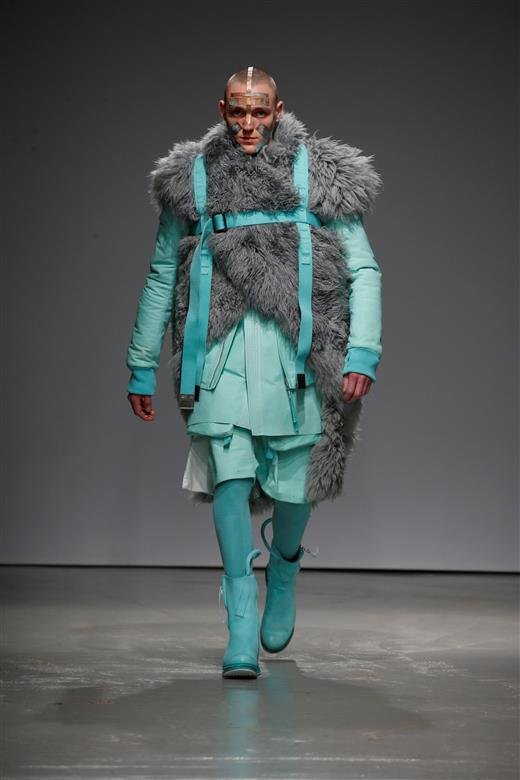
One last look, from the brand's official account:
Where to find it
The BBS line is sold in the world's most radical boutiques: Atelier New York and Hotoveli in New York, L'Eclaireur in Paris, The Lab Store and Closet Case in London, H. Lorenzo in Los Angeles, Darklands and Orimono in Berlin, Antonioli and Daad Dantone in Milan, Clique and boutiqueW in Tokyo, while in Barcelona it can be found at Aleluya and Sivasdescalzo. Online, besides the official site, the avant-garde references are SSENSE, Antonioli and Atelier New York, with archives such as Archived for past seasons. Anyone who wants a piece of this story now knows the window is closing.