


The end of the sneakerhead era? Why resale no longer pays (and what is saving it)
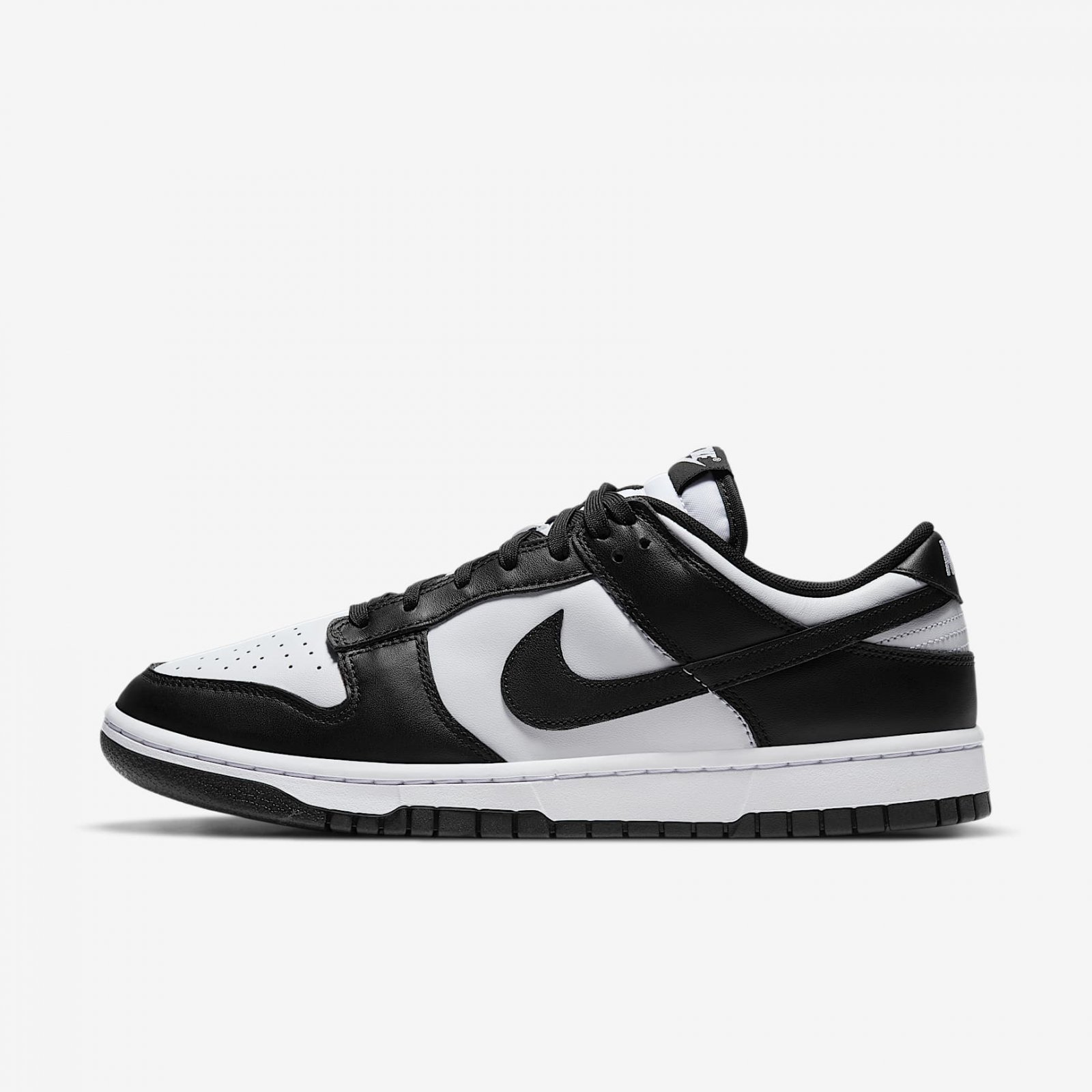
For fifteen years the sneaker game had just one unwritten rule: buy today, resell tomorrow for double. Queues outside stores, bots emptying online shops in eight seconds, teenagers turned small entrepreneurs from their bedrooms. In 2026 that rule no longer works: the once-impossible-to-find pairs sit unsold, prices are falling, and in the United States people are openly asking whether the sneakerhead era is over. The short answer is no. The long one is far more interesting: it is not collecting that is dying, it is speculation.
The party is over: the numbers
The most-cited barometer is the investigation with which U.S. public broadcaster NPR opened the year, asking whether 2026 might be the year of the end. The figures reported by Business of Fashion journalist Mike Sykes speak for themselves: until a few years ago a limited edition resold at premiums of 100-200 percent over retail; today those margins have evaporated. The symbol is the Air Jordan 1 "Lost and Found": released in 2023 at $180, it went on to trade between $500 and $600; today it can be had for around $280-300. Those who bought the Dunk "Northern Lights" at $700 in 2021 prefer not to check current prices.
The causes are a tangle of economics and culture. On one side, inflation and tariffs pushed retail prices up, choking off impulse purchases. On the other, Nike, for years the engine of the whole system, flooded the market: in the boom years releases reached over seven hundred Jordan models a year, and when everything is "limited", nothing really is. The balance sheets bear the marks: Nike's last fiscal year closed down 10 percent, with Jordan Brand at -16 percent, the group's worst performance. And the resale platforms, grown on the wave of triple-digit premiums, have adjusted: StockX has been through cuts and restructurings, while in March 2026 GOAT launched Sneakers.com, an unabashed outlet where general releases sell for $25-30. When the temple of resale opens a discount store, the message is clear.
Where demand is heading
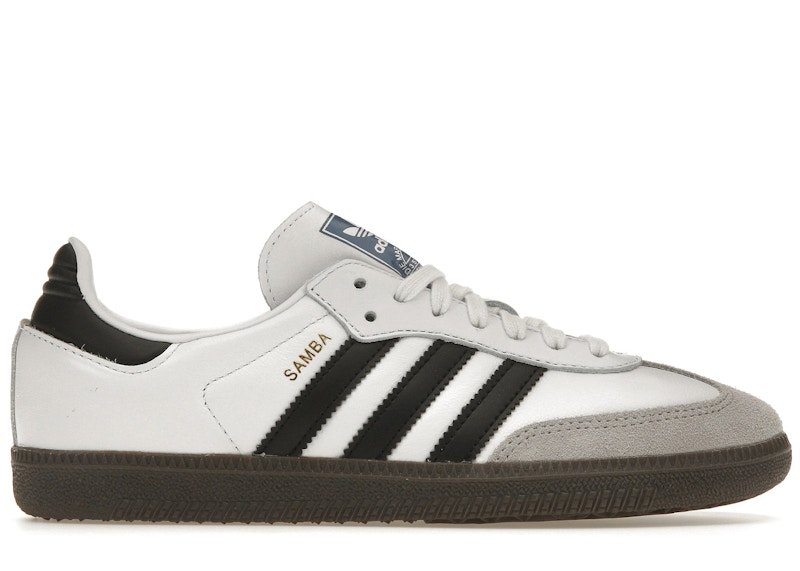
The point is that the money has not vanished: it has simply moved. The watchword of the moment is casualization: clean silhouettes, wearable colorways, shoes that do not shout. The arc of the Adidas Samba proves it: the undisputed king of 2023-2024 and already cooling today, overtaken in some markets by its sibling the Campus: cycles have grown shorter, taste moves faster than production. Meanwhile, names the resale market would not even have looked at until recently are climbing: on StockX's latest index Mizuno is up 124 percent, Maison Mihara Yasuhiro up 91, Saucony up 59, Salomon up 58, and nearly two hundred brands have set their own sales records on the platform. Demand is fragmenting: less Nike monoculture, more curiosity.
Collecting is not dying: it is moving house
Then there is the figure that upends the doom-and-gloom narrative. The global resale market is worth about $10.6 billion today, and projections have it nearly tripling by 2035. The driver is no longer the West: Asia-Pacific is growing at twice the world average, pushed by China, Japan, South Korea and India, while North America remains the largest market but has stopped growing. And limited editions still account for nearly half the turnover, with collaborations as the fastest-growing segment. In other words: the collector has not disappeared: they have simply grown tired of paying the scalpers' toll, and increasingly speak Korean or Mandarin.
The brands, for their part, are repositioning. The emerging strategy is no longer artificial scarcity but perceived value: curated collaborations at full price, like the Knu Skool pack signed by BAPE and Vans, and archive reissues that let the brands, not the resellers, monetize the grails, like the return of the Air Jordan 7 "Miró" after eighteen years. And it is Sykes himself, after all, who reminds us that fashion is cyclical: classic styles will come back, as they always have. The question is not whether, but at what price, and above all into whose pockets.
End of an era, start of another
If the sneakerhead era is defined by overnight campouts and flipping, then yes, it is over, and frankly it will not be missed. But if you measure it in love for the object, the picture is healthier than it looks: people buy to wear, look beyond the usual three brands, reward design over artificial scarcity. For the brands it is a harder game, because without the crutch of hype the winner is whoever has a real product. For those who genuinely love sneakers, though, it is the best news of the past decade: prices are falling, choice is widening, and the grail, when it comes, is once again a matter of taste rather than budget.


Comments
No comments yet. Break the ice!
Log in to comment