


World Wide Luxury
In the post-Covid era, a crisis among luxury e-commerce is becoming increasingly evident, with a general decline in sales due to structural issues within the sector itself. Among these, we can highlight: a generalized increase in inflation and the consequent narrowing of the aspirational customer base; the costs of selling high-fashion items online(which involve greater care in delivery, attention to customer experience, professional photography, and impeccable management of returns); logistical issues arose when trying to distinguish themselves from low-cost fashion competitors, and last but not least, the perception of a lack of exclusivity (that is the actual purchasing experience in boutiques).
Case histories
The trajectory common to every luxury marketplace seems to be the same: an initial disproportionate growth facilitated by the global lockdown during the Covid years and a rapid decline beginning as soon as customers were able to return to traditional shopping practices. A relevant case history is the one of Farfetch and its low-cost sale to the South Korean company Coupang, with a valuation hovering around 90% less than the estimated $20 billion just a few years earlier. Then followed the layoffs that occurred within Matches (about half of the total employees) and the action of Frasers Group, which placed it under controlled administration, to which is added the uncertain fate of Yoox Net-A-Porter after the failed agreement with Farfetch.
Second-hand and Retail Commerce
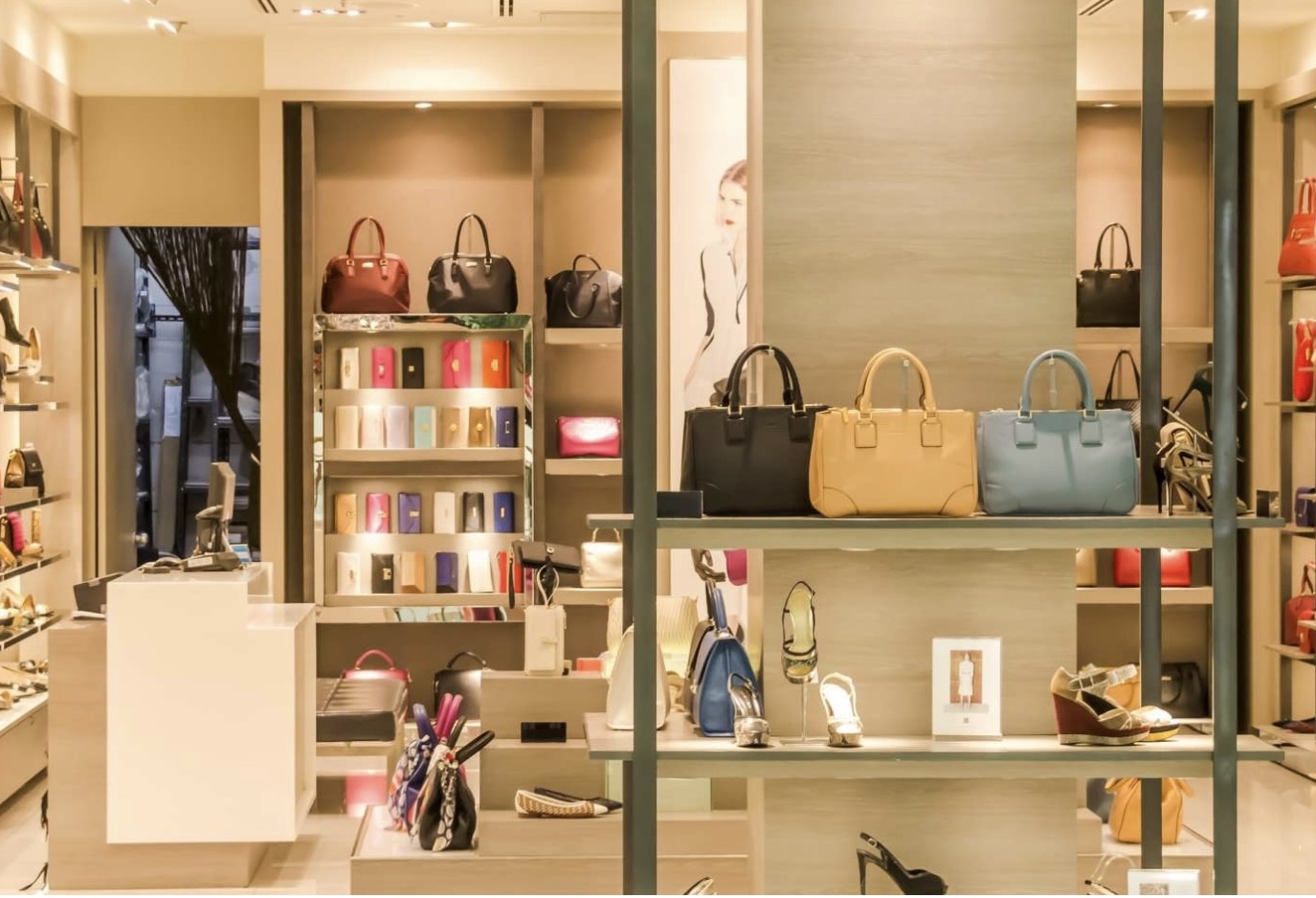
Furthermore, in recent times, the market has experienced a further decline caused by the migration of customers towards the vintage and second-hand market. Consumer-to-consumer selling options are indeed flourishing, such as Vinted, which, with the acquisition of Rebelle, has begun to make its way into the luxury market, or the more established Vestiaire Collective with the others high-end resale sites, whose merits lie in the lower environmental impact and in the reducing of selling prices (although they involve verified products in excellent condition). In addition to this, there is a general preference for purchasing luxury items in physical stores, perceived as a safer and more gratifying mode compared to online (for this reason, some brands have tried to keep a distance themselves from this environment, considering it inadequate for their service). The new flagship and pop-up openings are indeed a growing trend (consider Dsquared2 in London or the new Burberry store in Paris).
Hybrid Solutions driven by Gen Z
Despite the difficulties listed and according to some experts, a compromise may be reached thanks to new technologies and to the entry of the members of the new generations in the high-spenders segment. The solution lies in adopting hybrid methods, tailored to each need. The digital experience can be made more sophisticated and enjoyable through tools such as digital clothing, conversational commerce, and social commerce. In the first case, we talk about digital garments that allow avoiding overproduction and generate greater interaction with the consumer. The other two practices, instead, are in an intersection zone between e-commerce and social media, where users can share their purchasing experience and leverage messaging and artificial intelligence applications to have a more engaging and personalized experience.
Image credits: https://pixabay.com/it/