


Shein lists at half price: the EU squeeze starts to bite
In brief: Shein has cleared its listing hearing on the Hong Kong Stock Exchange, with a debut expected between September and October, but at a target valuation of 40 to 50 billion dollars, less than half the 100 billion of 2022. New European tariffs on e-commerce parcels are weighing on the price. What this figure tells anyone selling fashion in Europe.
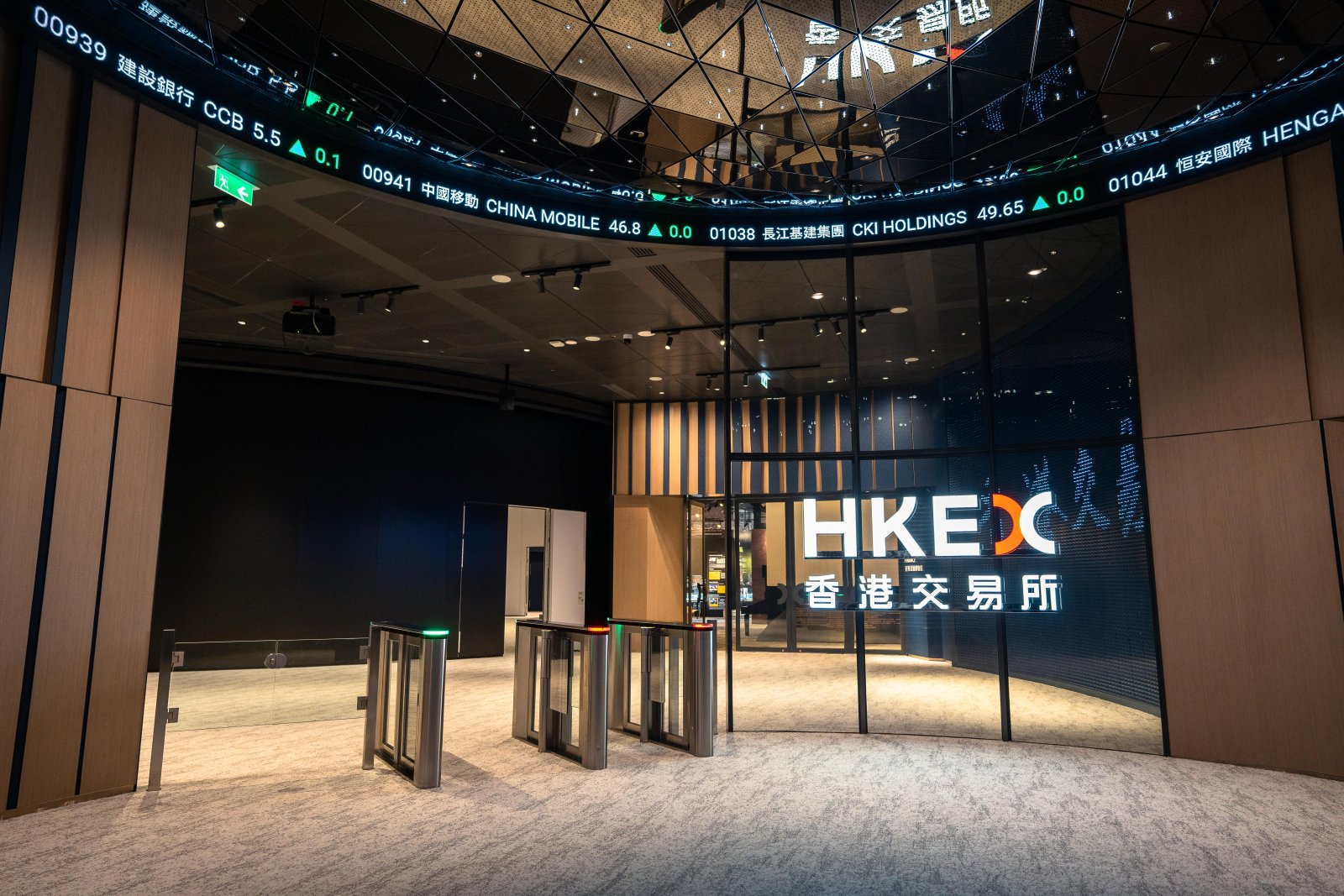
Sometimes the most telling market signals sit not in the press releases but in the figures that are missing. On Friday 10 July, Shein secured approval from the Chinese regulator and cleared its listing hearing on the Hong Kong Stock Exchange: the debut is expected between September and October, at the end of a troubled journey that has already seen its New York and London attempts fail. But the headline of the story lies in the number: the valuation range is 40 to 50 billion dollars, against the 100 billion being discussed back in 2022. The ultra fast fashion giant is coming to market worth, in the eyes of investors, less than half what it was four years ago.
Why the price has halved
The reasons are structural rather than cyclical, and the main one speaks the language of Brussels: the new European tariffs on non-EU e-commerce parcels strike at the heart of the model of individually shipped micro-orders, the one that for years has moved millions of garments at rock-bottom prices by exploiting customs exemptions on low-value shipments. This is no accounting detail: Europe accounts for roughly a third of Shein's revenues. The financial coverage of recent days uses a phrase that is worth an entire analysis: the squeeze on e-commerce is "starting to bite".
The regulatory backdrop, moreover, is closing in on several fronts at once: in the very days of the Hong Kong hearing, Rome and Paris formalised at the Fashion Roundtable a common front against ultra fast fashion and non-EU platforms, backing a flat European tariff on small parcels. What until yesterday was a competitive advantage built on a regulatory free zone is becoming, line by line, a cost.
What it means for those who sell quality
For Italian boutiques and brands, the takeaway is less abstract than it might seem. First: the market is signalling that competitive pressure on price may genuinely ease in Europe, because the gap built on duty-free parcels is narrowing. Second: a listed Shein, with public quarterly results and investors to reward, will have less room for the growth-at-any-cost that has distorted prices at the low end of the market. Third, and more subtle: the capital walking away from ultra fast fashion is already looking for other stories, and the luxury that is growing (this month's quarterly results confirm it) is the first candidate.
No one should imagine the phenomenon will disappear: this is still a global giant, and a debut that will rank among the biggest of the year in Hong Kong. But the direction is set, and for once it favours those who have chosen the harder road: real product, a clean supply chain, prices that tell a story of value. The gap between yesterday's 100 billion and today's 40 to 50 is exactly the measure of how much less invincible that model is than we have made it out to be for years.
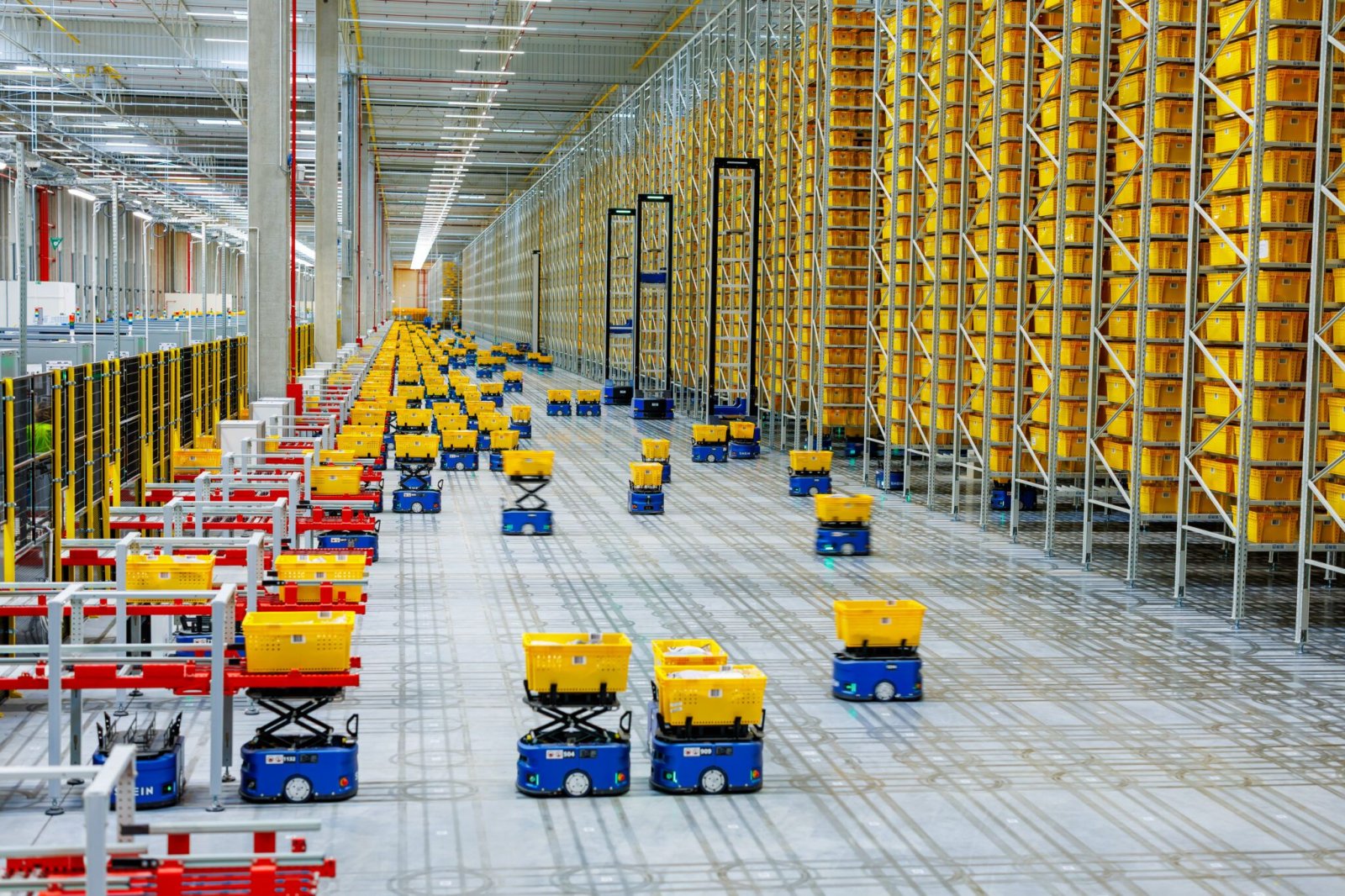
Cover photo: Shein's European logistics hub in Wrocław, Poland. Courtesy of Shein


Comments
No comments yet. Break the ice!
Log in to comment