


London reclaims its sons: McQueen and Mulberry come home to the runway
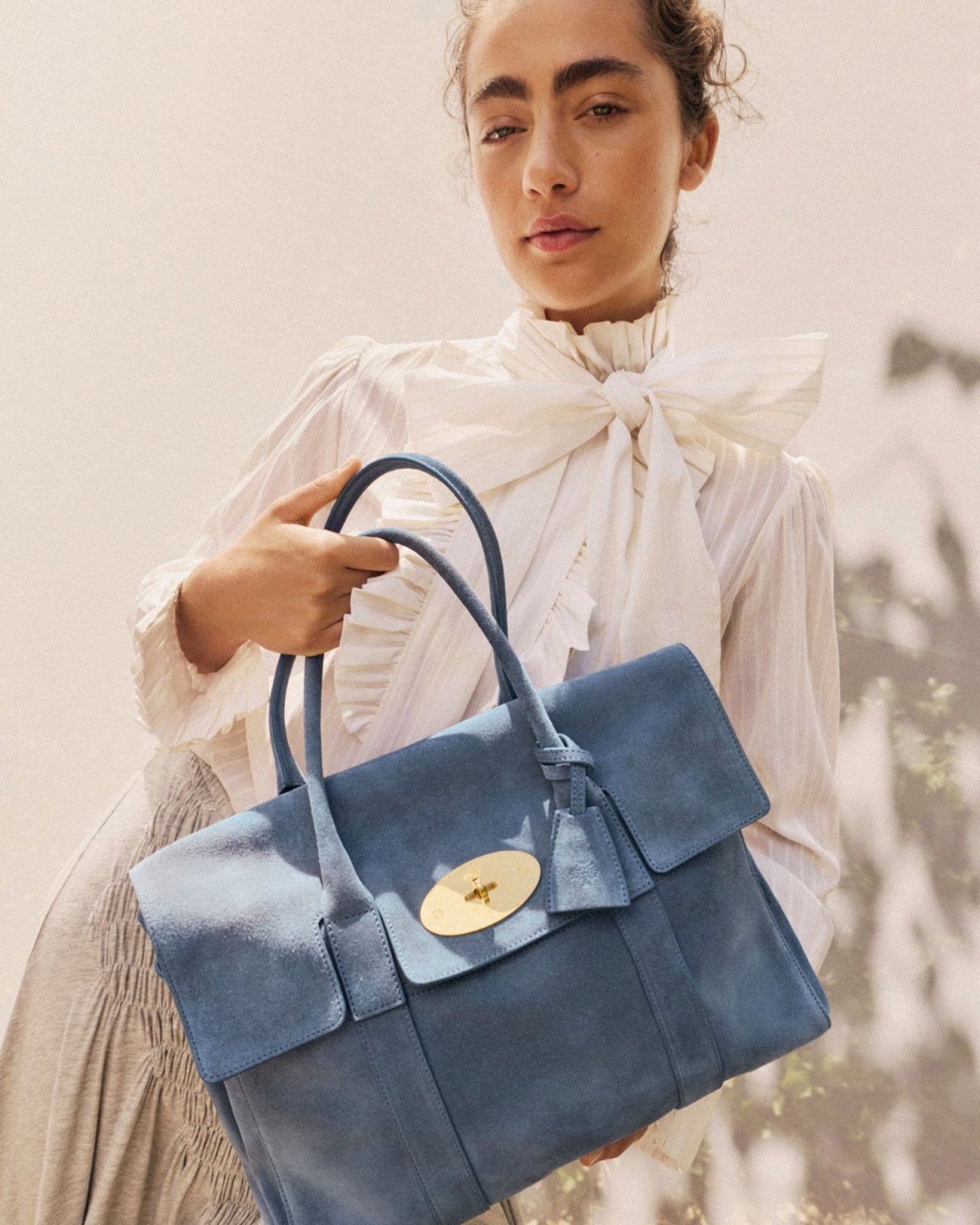
In brief: the September London Fashion Week calendar (17-21) brings two returns worth an era: Alexander McQueen shows in London for the first time since 2001, marking Seán McGirr's London debut, and Mulberry is back on the runway after six years with Christopher Kane's first ready-to-wear collection. What it means for the British fashion system.
For twenty years the story has always run the same way: London discovers the talent, Paris takes it away. The provisional calendar for September's London Fashion Week, released by the British Fashion Council, for once tells the opposite tale, and it does so with the two most symbolic names imaginable. On Sunday 20 September, on the very same day, the capital welcomes back Alexander McQueen and Mulberry: its most brilliant, rebellious son, and the most English of leather houses.
McQueen, the return after a quarter of a century
The weight of the first homecoming is hard to overstate: the house founded by Lee McQueen has not shown in London since 2001, from before its founder became a legend and the brand settled permanently into the Paris calendar. Bringing it home is Seán McGirr, who chooses the city for his first co-ed show and closes, at least for one season, the circle opened twenty-five years ago. Previews of the autumn pre-collection, all elongated silhouettes, knotted draping and the house's signature horn heels, hint at the direction: a McQueen returning to its tailoring obsessions in the place where they were born.
To grasp the symbolic value of the date you need the long memory: it was precisely on the London runways of the Nineties that Lee McQueen built his legend, with show-events the industry still remembers as watersheds, before the label followed the trajectory of every great British name, towards Paris. Every season since has carried the taste of a diaspora: talent trained in London, celebrated elsewhere. September's return, for all that it counts for a single season so far, breaks a taboo that had held for a generation.
From the house's official profile, the pre-collection that trails the return:
Mulberry reignites the runway (and hands it to Kane)
The second homecoming is a resurrection: Mulberry has not shown for six years, and returns with the runway debut of Christopher Kane, appointed creative director of ready-to-wear in March. It is hard to imagine a more London choice: Kane is the designer who defined an entire season of British creativity, and now he lays his hand on a wardrobe built around the bags that made the house's history, from the Bayswater on down. The show is set for 3pm on 20 September, the collection reaches the shops in January 2027, all part of CEO Andrea Baldo's "Back to the Mulberry Spirit" strategy, which meanwhile can point to annual sales up 5.7 per cent.
And the house's mood, ahead of September, is already out in campaign:
Then there is the commercial reading, the most concrete one for anyone who buys and sells fashion. A McQueen show in London brings the attention of international buyers back to the city in a week that many department stores had lately reduced to an optional stop; and the relaunch of Mulberry ready-to-wear, built around a leather heritage that already has its classics, offers multi-brand retailers a recognisably British proposition at a price tier more accessible than French luxury. This is no small thing: the English wardrobe, from the trench to eccentric tailoring, remains one of the most sought-after languages in directional stores, and for years it had been waiting for its landmark names to invest at home again.
A capital that believes again
For Kane, moreover, the appointment has the flavour of a career's second act: the Scottish designer was for fifteen years the emblem of independent London creativity, with all the glories and the strains that role entails. Putting his imagination at the service of a leather house with solid commercial foundations is exactly the scheme British fashion has been calling for over years: radical talent inside a structure that can sustain it. If it works, the model will set an example well beyond Mulberry.
Around the two returns, under the new leadership of Laura Weir, the calendar lines up the backbone of the British system: Burberry, Erdem, Simone Rocha, Roksanda. And it is the whole that makes the news: after years in which London week seemed condemned to serve as a nursery for the other capitals, the British Fashion Council's new course arrives in September with an argument no press release can buy: the big names coming home. The real test will be January's orders and the strength of the international turnout, because a calendar is judged on contracts as much as on applause. Whether the signal becomes a trend the coming seasons will tell; meanwhile, for five days in September, the centre of gravity of fashion will speak again with a British accent.


Comments
No comments yet. Break the ice!
Log in to comment